Your jewelry is an important part of your everyday wardrobe. But over time, it can start to show its age. Dirt, oil, and sweat can make even the most expensive pieces look dull. To keep your jewelry looking its best, it’s important to clean it regularly. But how?
There are a few different ways to clean jewelry, but the best way depends on the type of jewelry you have. In this blog post, we’ll give you a step-by-step guide for cleaning three different types of jewelry: gold, silver, and diamond.
Gold jewelry is beautiful, but it can also be delicate. That’s why you need to take care when cleaning it. The best way to clean gold jewelry is to mix a solution of warm water and dish soap. Dip your gold jewelry in the solution and then use a soft cloth to scrub it gently. Rinse the jewelry in warm water and then dry it with a soft cloth. You can also use a soft toothbrush to reach into small crevices and clean them thoroughly.
Cleaning Silver Jewelry
Silver jewelry is prone to tarnishing. To clean it, you’ll need a silver polishing cloth or a silver cleaner solution. Dip your silver jewelry in the solution or rub the polishing cloth over it until the tarnish disappears. Rinse the jewelry in warm water and then dry it with a soft cloth. You can also use a toothbrush to reach into small crevices and clean them thoroughly.
Cleaning Diamond Jewelry
Diamonds are durable, but they can still accumulate dirt over time. The best way to clean diamond jewelry is to mix a solution of warm water and dish soap. Dip your diamond jewelry in the solution and then use a soft toothbrush to scrub it gently. Rinse the jewelry in warm water and then dry it with a soft cloth. You can also use a cotton swab dipped in alcohol to reach into small crevices and clean them thoroughly. Be sure not to use harsh chemicals or abrasives when cleaning diamond jewelry as they can damage the stone.
With just a little bit of care, you can keep your gold, silver, and diamond jewelry looking like new for years to come
Keep your jewelry shining brightly!
– Clean your jewelry regularly with a soft cloth or a gentle cleaner. Avoid harsh chemicals, abrasives, or ultrasonic cleaners that can damage your jewelry.
– Store your jewelry in a dry, cool, and dark place. Avoid exposing your jewelry to humidity, heat, or sunlight that can tarnish or fade your jewelry.
– Remove your jewelry before engaging in activities that can scratch or dent your jewelry, such as sports, gardening, or household chores.
– Wear your jewelry with care and avoid contact with substances that can stain or corrode your jewelry, such as perfume, lotion, chlorine, or salt water.
– Have your jewelry checked and repaired by a professional jeweler periodically. Look for signs of wear and tear, such as loose stones, bent prongs, or broken clasps. A jeweler can also polish and restore your jewelry to its original shine.
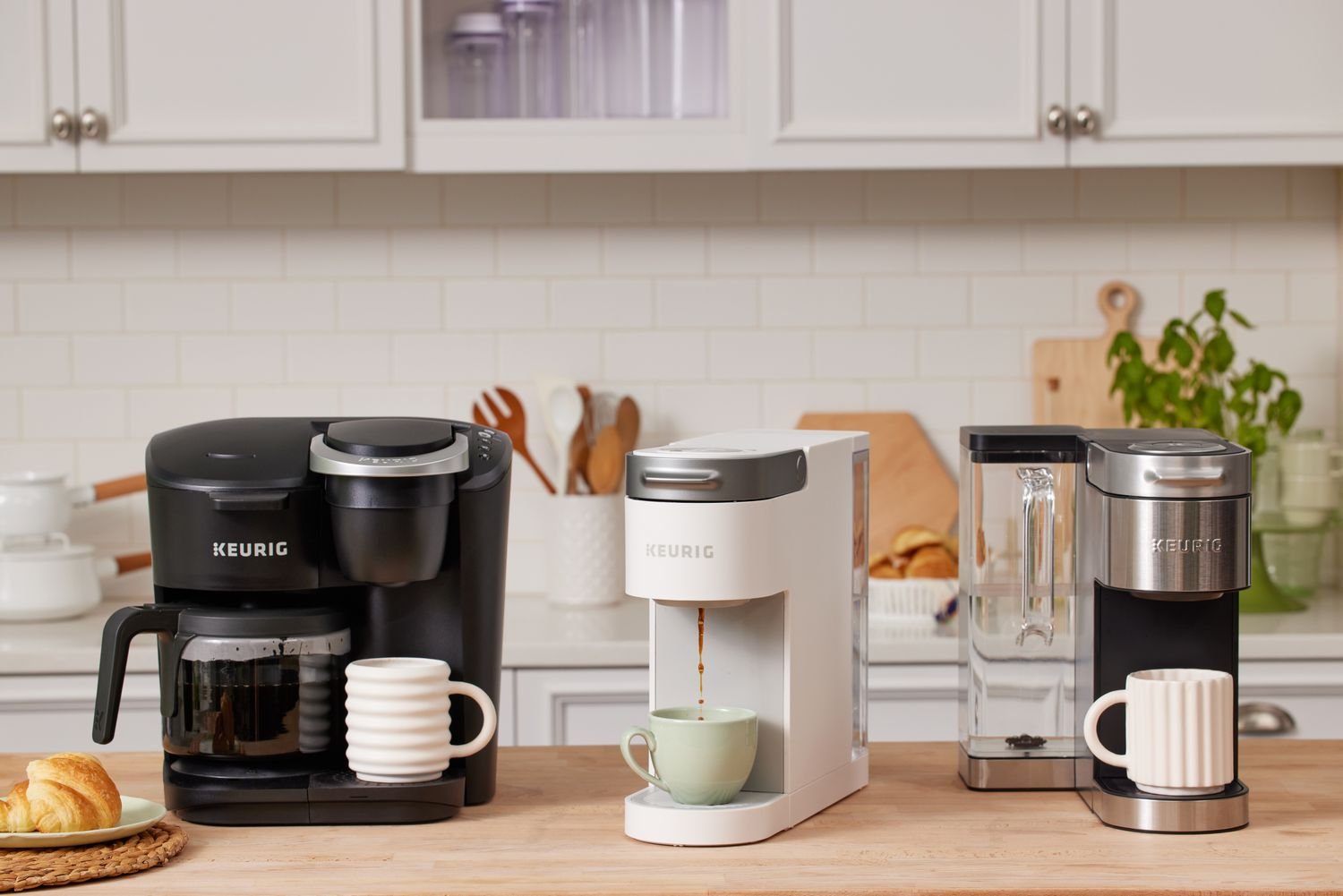
Anyone who owns a Keurig knows that it’s one of the greatest inventions ever. With the push of a button, you can have a piping hot cup of coffee, tea, or even hot chocolate. But as with any appliance that sees a lot of use, your Keurig needs to be cleaned on a regular basis to keep it functioning properly. Here are three easy steps you can follow to clean your Keurig and keep it brewing delicious beverages for years to come.
Step One: Descaling Your Keurig
Over time, calcium and other mineral deposits can build up inside your Keurig, causing it to run less efficiently and produce lower-quality beverages. To descale your Keurig, all you need is some white vinegar and water. Just mix equal parts of each in a bowl and then pour the mixture into the water reservoir of your Keurig. Run two full cycles of water through the machine (without putting a K-Cup in) to flush out the vinegar solution.
Step Two: Cleaning the K-Cup Holder
The K-Cup holder is where all the magic happens, so it’s essential to keep it clean. Remove the K-Cup holder and wash it by hand with warm soapy water. Be sure to scrub all around the needle-pierced holes as coffee grounds can often get stuck there. Rinse thoroughly and dry completely before putting it back in your Keurig.
Step Three: Wiping Down the Exterior
Don’t forget about the exterior of your Keurig! Use a damp cloth to wipe down the outside of the machine, being careful not to get any water inside any openings. Once you’re finished, buff dry with a clean microfiber cloth for that like-new shine.
Following these three simple steps will help keep your Keurig running smoothly for years to come. Descaling regularly will prevent mineral deposits from building up and ruining your machine, while cleaning the K-Cup holder and exterior will help remove any coffee stains or fingerprints. So what are you waiting for? Get cleaning!
If you own a Keurig coffee maker, you know how convenient it is to have a single-serve coffee machine at home. But with daily use, it’s important to regularly clean your Keurig to ensure that it’s running efficiently and producing the best-tasting coffee. One effective way to clean your Keurig is with vinegar, which is a natural and non-toxic cleaner that can help to remove build-up and stains from the inside of your machine.
To clean your Keurig with vinegar, you’ll need the following:
White vinegar
Water
A small brush or toothbrush (optional)
Here’s a step-by-step guide on how to clean your Keurig with vinegar:
Start by emptying any remaining water and grounds from the reservoir and discarding them.
Next, fill the reservoir with equal parts water and vinegar. If you have a large Keurig, you may need to use more vinegar to cover the entire surface area.
Run the cleaning solution through the machine by placing a mug on the drip tray and pressing the brew button.
Once the cleaning solution has run through the machine, discard the contents of the mug and repeat the process until the reservoir is empty.
After the final run-through, refill the reservoir with just water and run it through the machine again to rinse out any remaining vinegar. You can do this several times until the water runs clear.
To clean the outside of the machine, you can use a soft cloth or sponge with a small amount of vinegar to gently wipe down the exterior. Be sure to avoid getting any vinegar on the control panel or buttons.
If you notice any hard-to-reach areas or stains inside the reservoir or on the drip tray, you can use a small brush or toothbrush to scrub them away gently.
Once you’ve finished cleaning the inside and outside of the machine, allow it to air dry before using it again.
By cleaning your Keurig with vinegar regularly, you can help to extend the life of your coffee maker and ensure that it’s producing the best-tasting coffee possible. Just be sure to follow the steps above and avoid using any harsh chemicals or abrasive materials, as they can damage the machine. Happy cleaning!
There’s no denying it: walls can get pretty dirty. Whether it’s fingerprints from little ones or smudges from cooking, it all adds up. And while a quick once-over with a dust cloth might do the trick for everyday cleaning, walls need a little extra love every now and then. But don’t worry, we’re here to help. Read on for our tips on how to clean walls the right way.
Cleaning Techniques for Different Types of Wall Finishes
Just as there are different types of wall finishes, there are also different cleaning techniques that work best on each one. Here’s a quick rundown of some common wall finishes and how to clean them:
One of the most common wall finishes, paint is easy to clean with just a little soap and water. For tougher stains, you can also use a sponge or soft brush dipped in soapy water. Just be sure to rinse off any soap residue afterwards. For painted walls with a high gloss finish, you’ll want to avoid using anything too abrasive as it could leave scratches. Instead, opt for a microfiber cloth or another soft material.
* Wallpaper: While wallpaper is certainly easier to clean than paint (no need to worry about drips!), it’s still important to exercise caution. Start by dusting with a microfiber cloth or gentle brush attachment on your vacuum cleaner. For more stubborn dirt and grime, you can lightly dampen your cloth with cool water before wiping down the surface. Just be sure not use too much water as this could damage the wallpaper. If you’re dealing with a stain, spot-clean using cool water and a mild detergent before rinsing thoroughly.
* Wood paneling: Wood paneling is another popular wall finish, though it doesn’t require much in terms of upkeep. A simple dusting with a microfiber cloth should do the trick here. If you’re dealing with more stubborn dirt or grime, you can lightly dampen your cloth before wiping down the surface—just be sure not to saturate the wood as this could cause damage.
* Stone: Stone walls are beautiful but also require a bit more care when cleaning. Start by dusting with a soft brush attachment on your vacuum cleaner or an electrostatic duster designed specifically for stone surfaces.For more stubborn dirt, you can create a cleaning solution using cool water and pH-neutral dish soap (one teaspoon per gallon of water). Using a sponge or soft brush, gently scrub the surface before rinsing thoroughly with cool water—again, being careful not to saturate the stone as this could cause damage.
There’s no denying that keeping walls clean can be a bit of effort—but it’s definitely worth it when you see the results! By following our tips and using the right cleaning supplies and techniques for your type of wall finish, you’ll have beautiful, clean walls in no time at all.
A stove top is an essential part of any kitchen, and keeping it clean is important for both aesthetic and safety reasons. In this blog post, we’ll give you a step-by-step guide on how to clean a stove top, so you can keep your kitchen looking and feeling its best.
First, start by removing all of the burner grates and drip pans. Most stove tops have removable grates, which makes cleaning them a breeze. If yours are not removable, you can still clean them by hand. Be sure to use hot, soapy water and a scrub brush to remove any built-up grease or food particles.
Next, take a look at the burner heads. These are the metal coils that actually generate the heat when you turn on your stove. Over time, they can become caked with grease and food residue. To clean them, simply remove them from the stove top (they should unscrew easily) and soak them in hot, soapy water for about 20 minutes. Then, use a toothbrush or other soft-bristled brush to scrub away any remaining dirt or grime. Rinse them well and set them aside to dry.
Now it’s time to focus on the main body of the stove top. Start by giving it a good wipe-down with a damp cloth to remove any surface dirt or debris. Next, make a paste out of baking soda and water (about 1/2 cup baking soda to 1 cup water). Spread the paste over the entire stove top with a sponge or cloth and let it sit for 15-20 minutes. This will help loosen any tough stains or residues.
Once the paste has had a chance to work its magic, it’s time to start scrubbing. Use a sponge or scrub brush to wipe away the paste, being sure to get into all of the nooks and crannies. If you’re dealing with particularly stubborn stains, you may need to repeat this process several times until they’re gone completely. Once you’re satisfied with the results, rinse the area well with warm water and dry it with a clean towel or cloth.
And that’s it! With just a little bit of elbow grease (and some helpful household ingredients), you can easily keep your stove top looking like new for years to come. Thanks for reading!
A clean stovetop is not only necessary for keeping your kitchen looking its best – it’s also important for safety reasons (if there’s built-up grease on your stovetop, there’s an increased risk of fire). So how do you keep yours spick and span? Follow our step-by-step guide below and find out!
A clean television screen is essential for a quality viewing experience. Not only are fingerprints and smudges unsightly, but they can also be distracting. Dust can also build up over time, making it difficult to see the image on the screen. Whether you have a plasma, LCD, or LED TV, there is a right way and a wrong way to clean your screen. In this blog post, we will teach you the best way to clean your TV screen so that you can enjoy your favorite shows and movies to the fullest.
How Often Should You Clean Your Screen?
It is important to clean your TV screen regularly in order to keep it looking its best. The frequency with which you need to clean it will depend on how often you use it and how well you take care of it. If you have small children or pets, you may need to clean it more often than someone who doesn’t. Generally speaking, you should aim to clean your TV screen at least once a month.
What You Will Need
In order to properly clean your TV screen, you will need:
-A soft, lint-free cloth (a microfiber cloth works well)
-Water (distilled water is best)
-Isopropyl alcohol (90% or higher)
-A vacuum cleaner with a soft brush attachment
Step-by-Step Instructions
1. Begin by using the vacuum cleaner with the soft brush attachment to remove any dust from the screen. Be sure to move slowly so that you don’t miss any spots.
2. Next, dampen your lint-free cloth with water and gently wipe down the screen in circular motions. If there are any stubborn fingerprints or smudges, use a small amount of isopropyl alcohol on the cloth before wiping.
3. Once you have wiped down the entire surface of the screen, use a dry portion of the cloth to remove any remaining moisture. Be sure not to leave any water streaks behind.
4. Lastly, stand back and enjoy your clean TV screen!
A clean television screen is essential for optimal viewing pleasure. In this blog post, we taught you how to properly clean your TV screen so that you can enjoy your favorite shows and movies to the fullest extent possible. By following our simple step-by-step instructions, you will have a streak-free and smear-free TV in no time!
When it comes to carpets, it’s important to keep them clean and free of dirt, dust and other allergens. But what’s the best way to clean carpets? Of course, you could always hire a professional carpet cleaning company to do the job for you. But if you’re looking to save some money, there are a few things you can do to clean your carpets yourself.
One of the most important things to do when cleaning carpets is to vacuum them regularly. This will help to remove any dirt, dust or other allergens that may be trapped in the fibers of the carpet. Vacuuming also helps to extend the life of your carpet by preventing it from becoming matted and tangled.
If you do spill something on your carpet, it’s important to act quickly. The longer a spill sits on the carpet, the more likely it is to stain. So, if you have a spill, blot it up with a clean white cloth as soon as possible. You may also want to use a carpet cleaner to remove any stubborn stains.
When it comes to deep cleaning your carpets, you’ll want to use a rental steam cleaner. Steam cleaners use hot water and detergent to clean carpets, and they do a great job of getting deep down into the fibers of the carpet to remove all the dirt, dust, and allergens.
If you have any questions about how to clean carpets, or if you need help choosing the right carpet cleaner for your needs, feel free to ask a professional. They’ll be able to give you all the information you need to make sure your carpets are looking their best.
1. Vacuum thoroughly. Before you start shampooing your carpets, you need to vacuum them thoroughly. This will remove any surface dirt and debris so that the shampoo can penetrate deeper into the carpet fibers. Start by vacuuming in a back-and-forth motion, then follow up with a side-to-side motion. For best results, use a vacuum with a beater bar or rotating brush.
2. Pretreat stains. If you have any stubborn stains on your carpets, pretreat them with a stain remover before shampooing. Apply the stain remover to the stain, then let it sit for 5-10 minutes before proceeding to the next step. This will give the stain remover time to work its magic.
3. Shampoo the carpets. Once you’ve vacuumed and pretreated any stains, it’s time to shampoo the carpets. You can use either a rented shampooer or an at-home carpet cleaner for this step. If you’re using a rented shampooer, be sure to follow the instructions careful; if you’re using an at-home carpet cleaner, simply follow the directions on the machine. In general, you’ll want to fill the machine with water and carpet shampoo, then slowly move it over each section of carpet until the carpets are wet but not soaked through. Let the carpets dry completely before walking on them or moving furniture back into place.
Deep-cleaning your carpets is an annual task that will help keep them looking like new for years to come. By Vacuuming thoroughly, pretreating any stains, and shampooing the carpets with either a rented machine or an at-home carpet cleaner, you can get your carpets looking and smelling fresh in no time!
If your oven is in need of a good cleaning, don’t despair. With a little elbow grease and the right cleaners, you can have it sparkling in no time. Here’s how to clean the oven:
1. First, remove everything from the oven, including the racks. If they’re dirty, soak them in soapy water while you’re cleaning the rest of the oven.
2. Next, mix up a cleaning solution. You can use a commercial oven cleaner, or make your own by mixing 1/2 cup baking soda with 1/4 cup water.
3. Apply the cleaning solution to the inside of the oven, using a sponge or brush. Be sure to get into all the nooks and crannies.
4. Let the cleaning solution sit for at least 15 minutes, then wipe it away with a damp cloth.
5. Finally, give the oven a good once-over with a dry cloth to remove any lingering residue.
Now your oven is clean and ready to use! Just be sure to clean it on a regular basis to prevent built-up grime.
It is important to keep your shoes clean and presentable. Not only will this help them last longer, but it will also prevent dirt and debris from being tracked into your home.
1. Begin by using a shoe brush to remove any dirt or debris from the surface of the shoes. Work in small circular motions until the shoes are clean.
2. Next, apply a small amount of shoe polish to a soft cloth. Rub the cloth over the shoes in a circular motion, being sure to cover the entire surface.
3. Once the shoes are polished, use a damp cloth to remove any excess shoe polish.
4. Finally, allow the shoes to dry completely before wearing them again.
Following these simple steps will help keep your shoes looking their best. Be sure to clean them on a regular basis to prevent dirt and debris from build-up.
A thermometer is a device that measures temperature. It can be used to measure the temperature of a person’s body, or of objects in the environment. Thermometers usually have a scale on them, so that the user can interpret the reading.
There are different types of thermometers, but they all work on the same principle. They all expand or contract when exposed to heat or cold, and this change in size is used to measure the temperature.
Most thermometers are made of glass because glass is a good conductor of heat. The glass is filled with a liquid that expands when it is heated, and contracts when it is cooled. The expansion and contraction of the liquid are what cause the thermometer to change size.
Thermometers need to be kept clean so that they will give accurate readings. If the glass is dirty, it will not conduct heat as well, and the reading will be inaccurate.
To clean a thermometer, first, remove the cap or plug from the end. This will expose the glass tube.
Next, run some warm water over the thermometer for a few minutes. This will help to loosen any dirt or grime that is on the surface of the glass.
After the thermometer has been soaked in warm water, use a soft cloth to wipe it down. Be sure to wipe the entire surface of the thermometer, so that all of the dirt and grime is removed.
Once the thermometer is clean, replace the cap or plug, and store it in a safe place.
Cleaning a thermometer is important because an accurate temperature reading is essential for many different things. For example, if you are sick, your doctor will need to take your temperature in order to determine what is wrong. Similarly, if you are trying to cook food properly, you need to use a clean thermometer in order to ensure that the food is cooked at the correct temperature.
So, remember to keep your thermometer clean! It’s easy to do, and it will help to ensure that you always get accurate temperature readings.
White shoes are a staple in many people’s wardrobes. They are versatile and can be worn with many different types of outfits. However, one downside to white shoes is that they can easily become stained and dirty.
There are many ways that you can clean your white shoes and keep them looking fresh and new. One way is to use a mixture of water and vinegar. Vinegar is a natural cleaning agent and will help to remove any dirt or stains from your shoes. Another way to clean your white shoes is to use a toothbrush and some soap. This will help to scrub away any dirt or stains that are on your shoes.
If your white shoes are starting to look yellow, you can try using a mixture of baking soda and water. Baking soda is a natural whitener and will help to brighten up your shoes. You can also try using a magic eraser to clean your shoes. Magic erasers are great for removing any tough stains or marks from your shoes.
No matter what method you use to clean your white shoes, it is important to make sure that you rinse them off completely afterward. This will help to remove any residue that could be left behind from the cleaning products. Once you have rinsed your shoes, you can then put them in the sun to dry. The sun will help to further remove any stains or dirt from your shoes.
By following these simple steps, you can easily clean your white shoes and keep them looking new.